
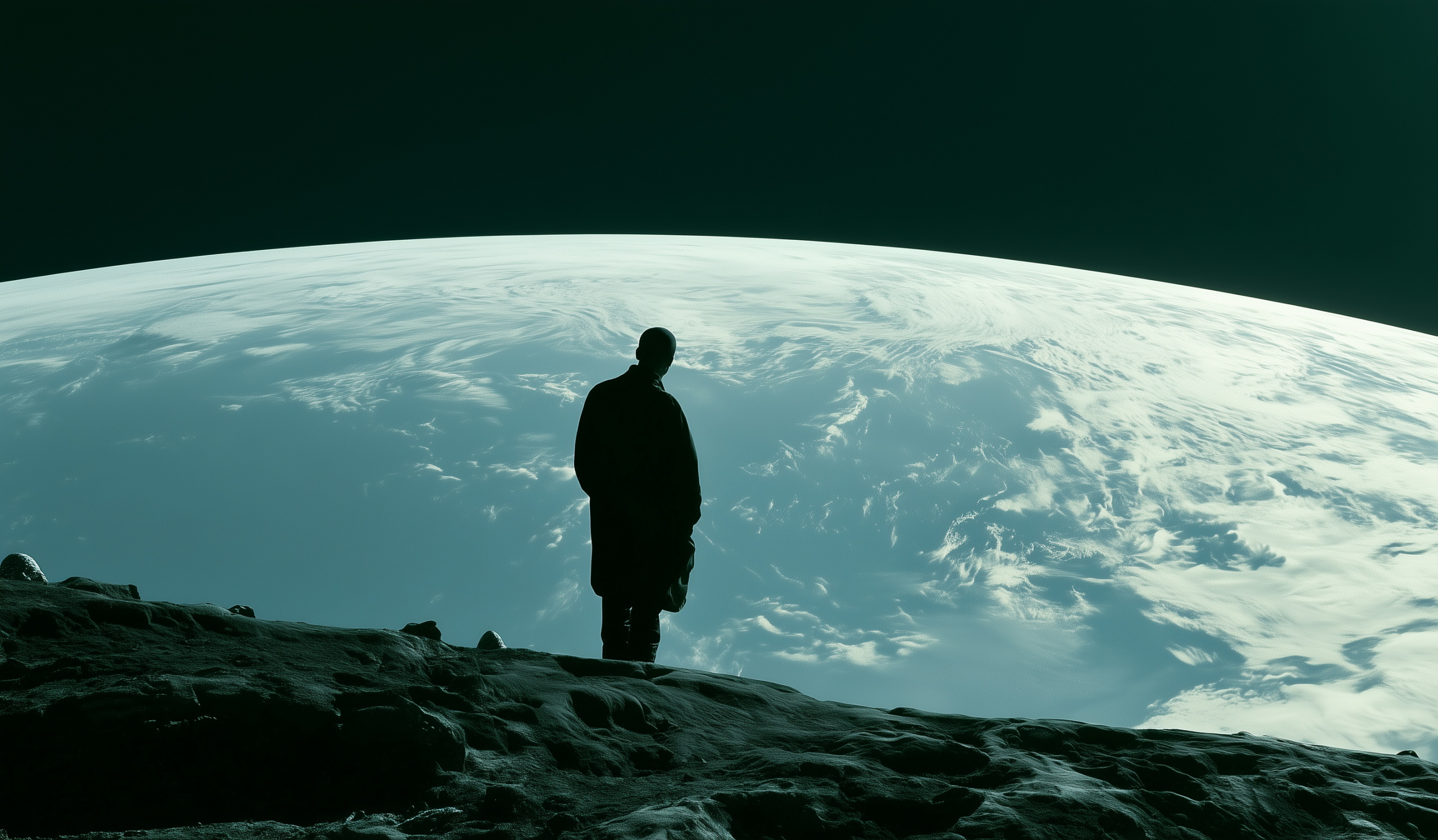
„Even under the worst circumstances, I have the freedom to determine my thoughts about them. Of course, we should not sugarcoat what is terrible. But we can choose to direct our attention towards where good things are happening.„
– Florence Gaub
What if the world really were getting better for the vast majority of people in most regions of the planet? In today’s storm of polycrisis and the unrelenting dominance of the present, that may seem unimaginable. Or is it?
We have grown accustomed to a different narrative — simple, but deafening: Everything is getting worse. More wars, more crises, more poverty, more diseases, more disasters. The world seems to be hurtling inexorably towards decline.
This view is fuelled above all by a way of seeing the world that focuses almost exclusively on individual events — on headlines, exceptional situations and the daily outrage cycle. The narrower and more short-term our perspective becomes, the further into the background recede the slow, often unspectacular developments and connections that improve the lives of billions of people over years and decades.
Breaking Out of the Negativity Spiral
This mindset comes at a cost: when we become convinced that everything is already lost, we also lose faith that change is possible — and necessary. A lack of confidence breeds resignation. Cynicism rarely produces a constructive will to shape the future.
Pessimism often presents itself as a sign of intelligence or realism — and anyone who looks at the world with too much confidence can easily become a target. But in reality, pessimism can paralyse precisely those forces that make social progress possible in the first place.
It is time to widen the horizon. Seen through the lens of constructive perception and hopeful curiosity, the world looks very different. No, not everything is good — and neither denial nor sugar-coating will get us anywhere. But this is also true: an astonishing amount has improved. And much more can improve. The opportunities have never been better.
„We are so good at preparing for the worst case. But is anyone preparing for the best case?„
– Luisa Neubauer
1. The Energy Revolution is Happening!
For a long time, the idea that renewable energy would ever break out of its niche was dismissed: too expensive, too inefficient — more an expression of ecological idealism than a serious economic technology. Fossil fuels seemed destined to remain indispensable for the foreseeable future.
Those voices still exist today — but they are getting quieter. Because we are at a turning point in energy history: the rapid rise of renewables is ushering in a new era — the Electric Age. Not simply because it makes ecological sense, but above all because solar and wind power have long since become economically and technologically superior to their fossil-fuel alternatives.
The neo-electric revolution is transforming the entire economy and society. It is reshaping industries and ways of life around the world — in mobility, for example, where we have already passed the peak of the combustion engine almost unnoticed — while creating new growth markets and shifting geopolitical power.
What began as a utopian vision of ecological transformation is already becoming a comprehensive economic and societal structural transformation on a global scale.
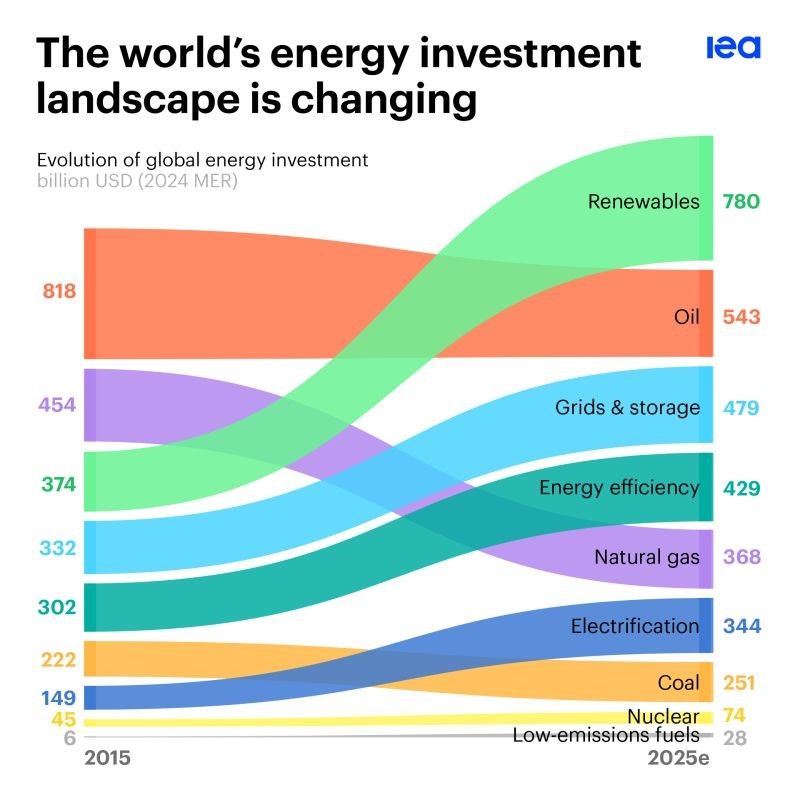
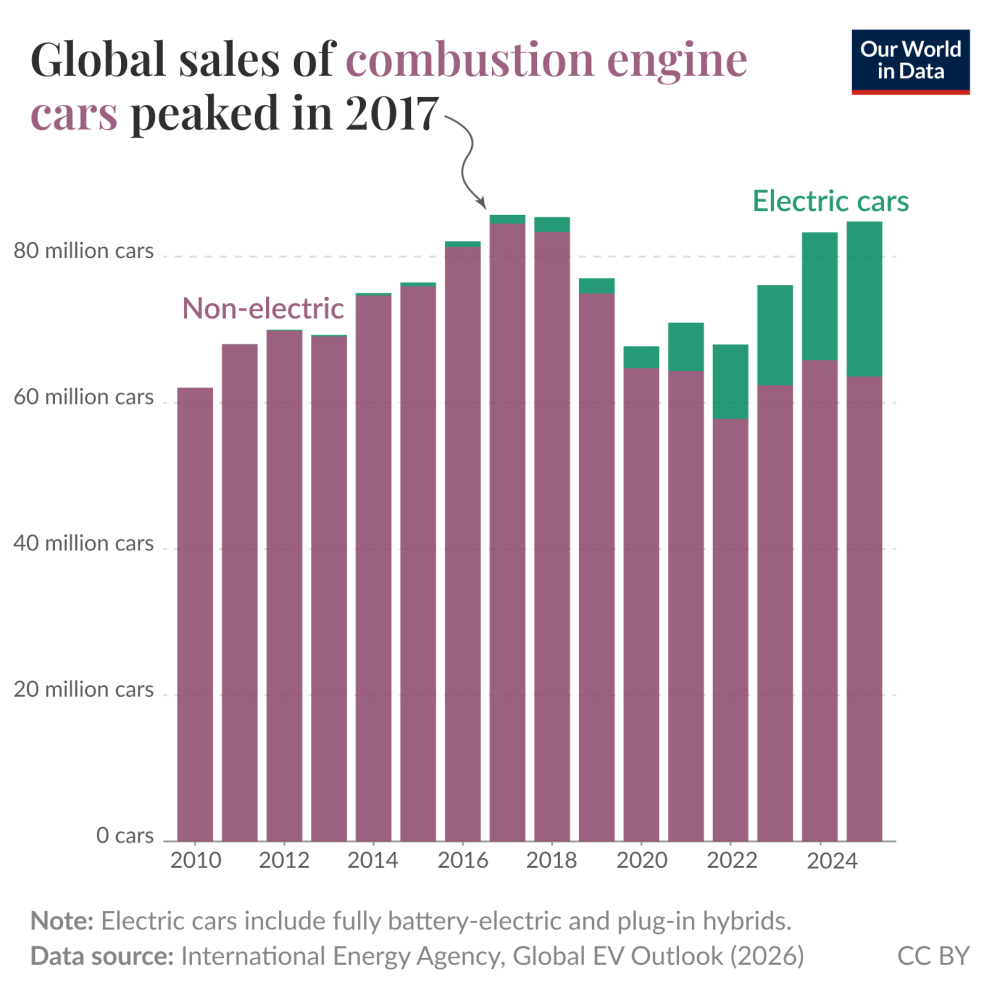
THE ENERGY TRANSITION IS NO LONGER AN ECOLOGICAL PROJECT — IT IS AN ECONOMIC OPPORTUNITY FOR THE FUTURE.
2. Humanity Is Shrinking — and That’s a Good Thing!
More than 50 years ago, biologist Paul R. Ehrlich published The Population Bomb, a global bestseller in which he predicted that rapidly rising population numbers would lead to famines around the world, with hundreds of millions of people dying of starvation. He was wrong.
Yet the idea of “overpopulation” still lingers in many minds: humanity is a parasite on the planet, and as our numbers continue to grow, we are heading towards the abyss.
This narrative often conceals deeply rooted racist ideologies.
In reality, the global population-growth trend has already reached a tipping point. Birth rates are falling in almost every region of the world — not only in wealthy industrialised countries, but increasingly in emerging and developing nations as well. In some countries across Africa, Asia and South America, fertility rates have fallen by more than 30 percent over the past few decades.
Even in traditionally high-fertility societies such as India and Bangladesh, fertility has now fallen below the replacement level of 2.1 children per woman.
Studies increasingly agree that the global population will reach its peak within the next few decades, after which the number of people will begin to decline. Demographers such as Paul Morland are already warning of the next demographic catastrophe, in which a shrinking number of young people will struggle to support a rapidly ageing population.
But this dystopian scenario also falls short. Prosperity and quality of life do not depend on a particular number of people — but on qualitative factors such as education, health, productivity and technological capabilities. That is where we need to direct our attention!
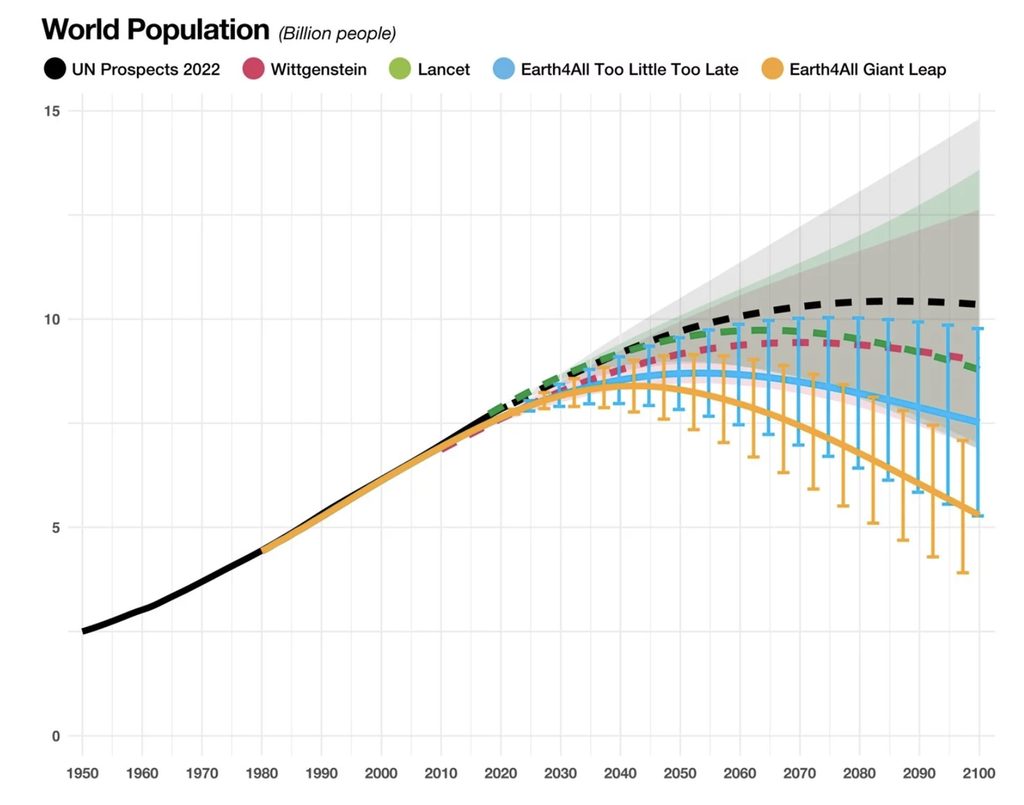
THE HUMAN PEAK MARKS THE BEGINNING OF A NEW DEMOGRAPHIC ERA. THE FUTURE OF HUMANITY LIES NOT IN OUR NUMBERS, BUT IN OUR CAPACITY TO DEVELOP FURTHER.
3. Human Rights Are More Resilient Than We Think!
The age of human rights appears to be coming to an end. Around the world, democratic institutions, international organisations and universal legal norms are increasingly coming under pressure from reactionary movements.
How powerful will this countertrend to civilisational progress become? Is the decline of law and justice inevitable?
Even though painful setbacks can be observed in many places, a new wave of human rights is far from unlikely. While reactionary populists are coming to power in some countries, new forms of tolerance, equality and legal recognition are emerging elsewhere.
What we are witnessing today could be described as a progressive paradox: the revisionist backlash itself demonstrates just how deeply the civilisational progress achieved over recent decades has already taken root.
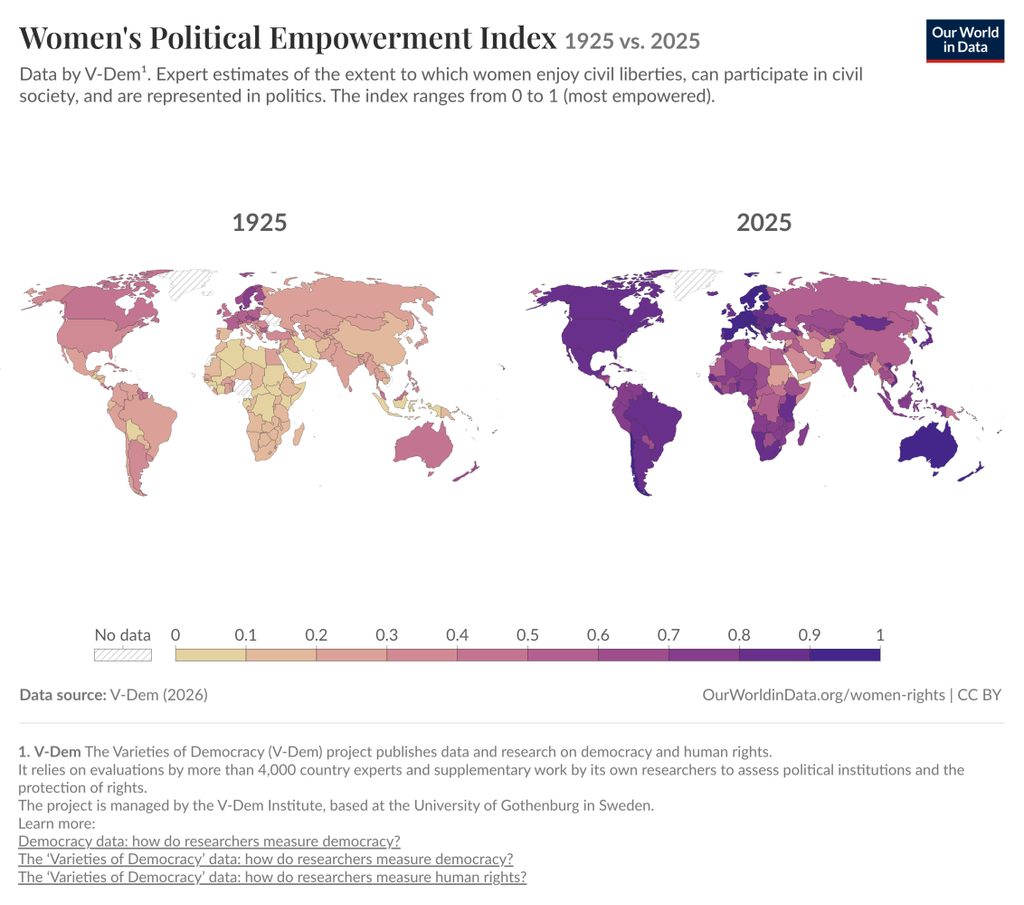
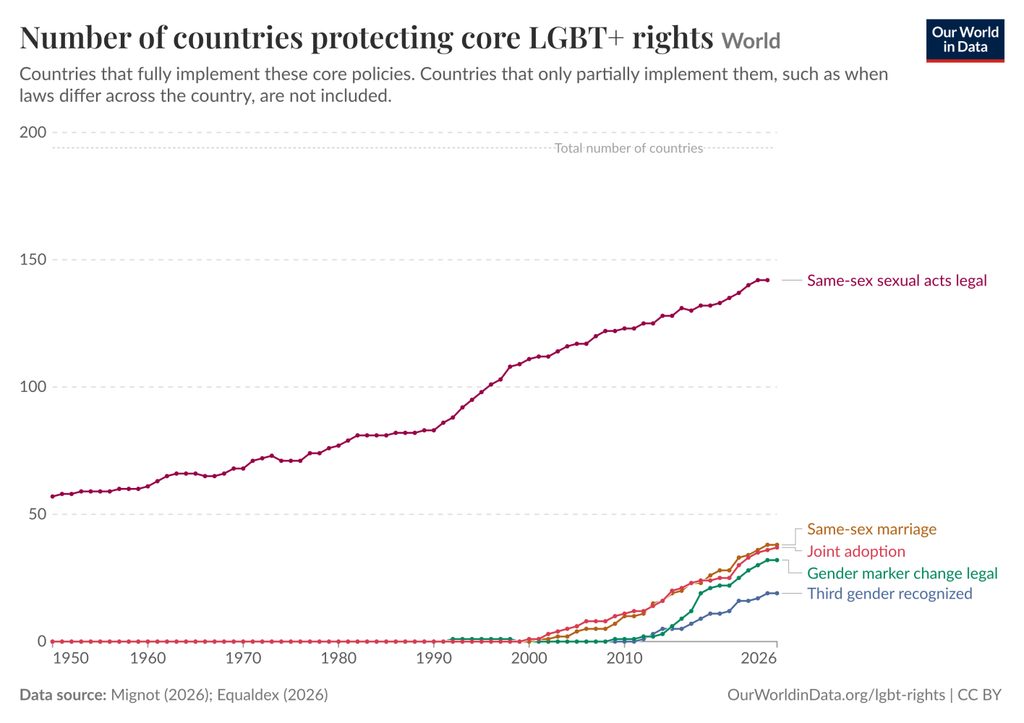
ON THE LONG ROAD OF CIVILISATIONAL PROGRESS, SETBACKS ARE INEVITABLE — BUT THEY DO NOT ALWAYS SET THE DIRECTION OF THE TREND.
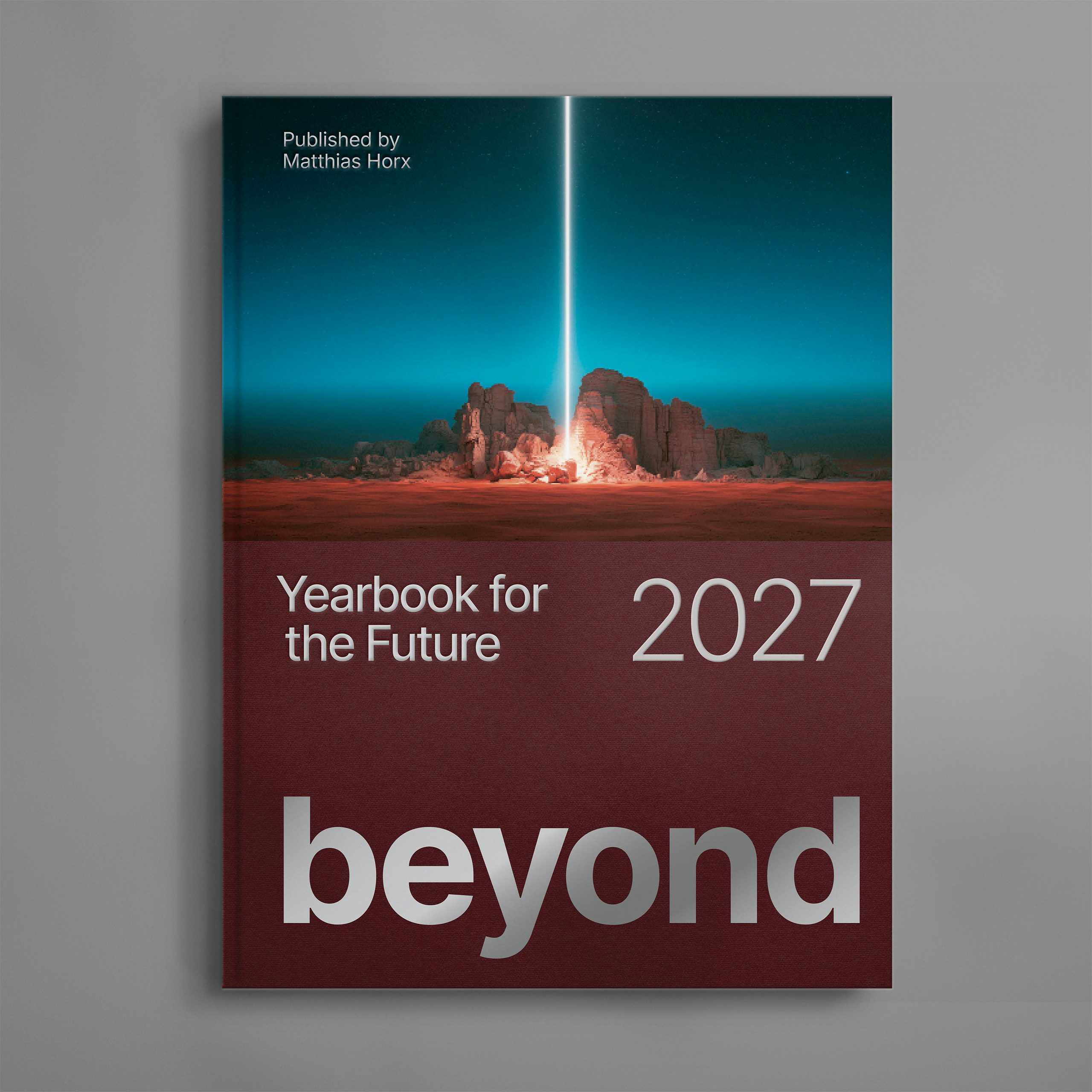
From „Beyond 2027“ – Yearbook for the Future
This is an abridged excerpt from our new Yearbook for the Future, Beyond 2027. If you are interested in more Good Trend statistics, inspiring perspectives on the future and striking visual essays on the most important developments of the years ahead, I recommend taking a look at the yearbook.